Premium Porsche Sports Seats Designed for Support and Style
Custom Engine Tuning Solutions for Optimal Power and Fuel Economy
Custom engine tuning services have become recognized for their ability to improve vehicle performance and efficiency. By customizing modifications to individual engine types and driving conditions, these services offer significant benefits. Advanced diagnostic tools allow for accurate adjustments, which can result in improved horsepower and fuel efficiency. However, misunderstandings about engine tuning persist. Exploring the nuances of these services uncovers both challenges and opportunities for drivers pursuing peak performance. What else might be influencing this evolving landscape?
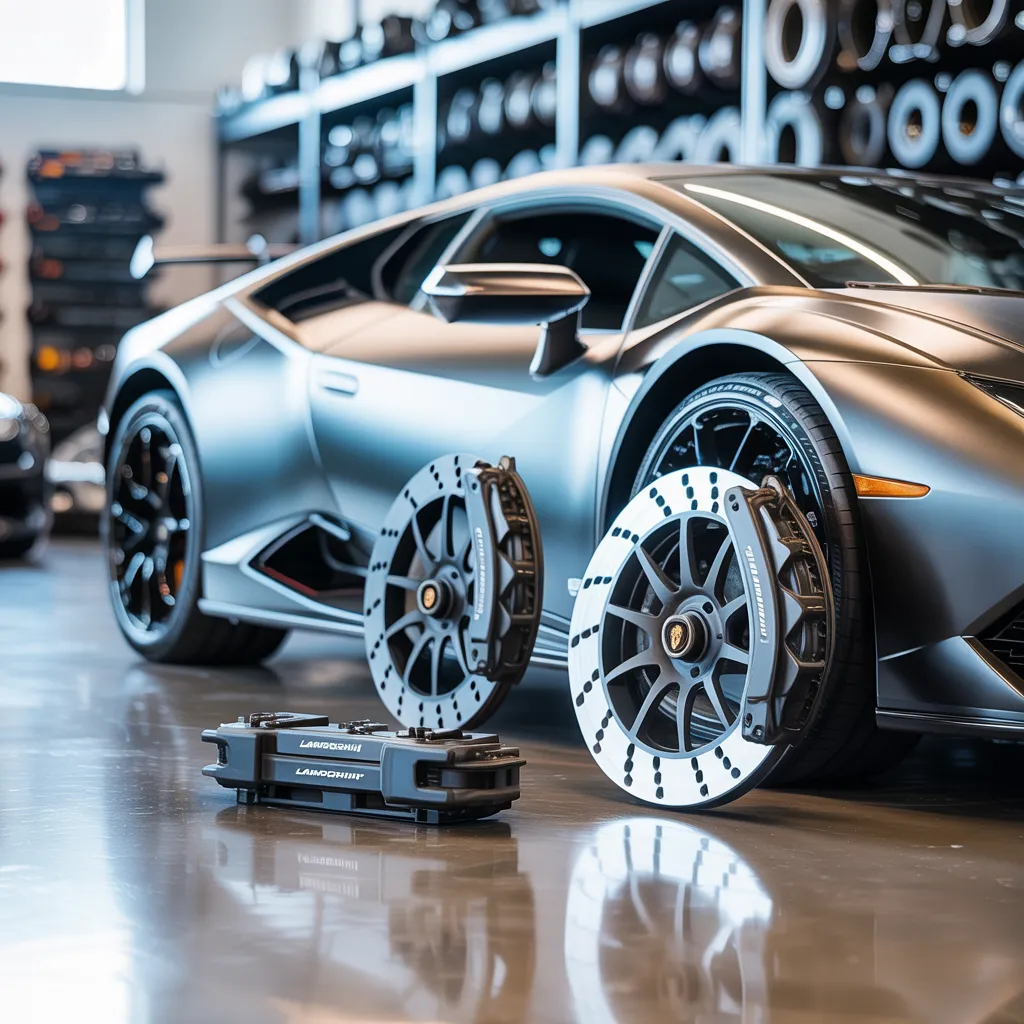
Information You Must Have Regarding Personalized Engine Performance
What factors shape the success of custom engine tuning? The precision of the tuning process depends upon several critical elements, including the vehicle's specific engine type, modifications, and intended use. A detailed understanding of the engine's dynamics allows for tailored adjustments that improve performance metrics such as throttle response and fuel efficiency. Additionally, using advanced diagnostic tools guarantees accurate data collection, enabling the tuner to make informed decisions.
Environmental considerations, such as altitude and climate, also exercise a substantial influence; read the full story tuning must account for these factors to improve engine performance under diverse conditions. Furthermore, the experience and expertise of the tuner impact the outcome, as skilled professionals can traverse complex systems and achieve desired results. Finally, regular updates and maintenance of tuning software can warrant the engine continues to deliver peak performance as technology and driving conditions evolve.
Optimal Performance Advantages From Customized Engine Tuning
Tapping into the complete potential of a vehicle through specialized motor tuning yields significant performance enhancements that can transform the driving experience. Enhanced horsepower and torque are among the most notable improvements, allowing for quicker acceleration and a more intense drive. Custom tuning optimizes the air-fuel mixture and ignition timing, which not only boosts power but also enhances throttle response, making the vehicle feel more agile and responsive.
Moreover, specialized engine tuning can enhance overall drivability, fine-tuning the engine's characteristics to distinct driving preferences, whether for daily commuting or high-performance racing. Improved engine efficiency means quieter gear changes and enhanced driving results under assorted driving environments.
In the end, custom engine tuning permits motorists to experience their vehicles in a fresh perspective, displaying potentials that typical manufacturer defaults may not supply. This tailored solution can produce a more engaging and enjoyable driving journey, gratifying the wishes of driving aficionados.
How Custom Engine Tuning Boosts Fuel Efficiency
Custom engine tuning transforms a vehicle's fuel efficiency by optimizing critical variables like air-fuel ratios and ignition timing. By recalibrating these settings, the engine can achieve a more thorough combustion process. This leads to a decrease in unburned fuel, effectively increasing the energy extracted from each drop of gasoline or diesel.
Additionally, specialized tuning facilitates for adjustments matched to driving conditions and individual performance needs. This means that vehicles can perform more efficiently under various loads and speeds, additionally enhancing fuel economy. Furthermore, a correctly-tuned engine can act more promptly to throttle input, reducing the need for excessive acceleration, which often wastes fuel.
Exposing Typical Falsehoods Surrounding Engine Enhancement
Isn't it puzzling how the widespread misunderstanding concerning engine tuning continues despite its merits? A large number of vehicle owners mistakenly think that tuning is intended only for racing performance applications, disregarding its benefits for everyday motorists. One more common misconception is that engine tuning inevitably causes compromised reliability. Realistically, when correctly executed, tuning can improve both performance and durability through tweaking engine parameters. Besides, certain individuals are afraid that tuning will void their vehicle's warranty; still, several manufacturers authorize modifications provided they comply with prescribed guidelines. In conclusion, the premise that all tuning solutions are mass-produced fails to acknowledge the value of custom tuning, which personalizes adjustments to fit individual vehicle needs. By addressing these misconceptions, enthusiasts and owners can choose wisely about engine tuning, ultimately optimizing their vehicle's performance and efficiency.
Selecting the Right Performance Solution for Your Car
Determining the appropriate tuning choice involves thoughtful consideration of various factors. Key aspects include evaluating vehicle specifications, understanding different engine types, and adjusting performance goals with the targeted outcomes. Each of these elements plays an essential role in determining the most effective tuning approach for ideal results.
Analyzing Vehicle Attributes
Performing a thorough assessment of vehicle characteristics is crucial for finding the best tuning strategy. This process entails assessing key factors such as engine type, power output, torque properties, and fuel system design. Each vehicle has unique qualities that determine performance, demanding a personalized approach to tuning. For example, sports cars may improve with aggressive tuning plans to enhance speed and responsiveness, while trucks might focus on improved torque for towing needs. Moreover, knowing the vehicle's application—whether it is for daily driving, racing, or off-roading—further sharpens the tuning strategy. By meticulously evaluating these specifications, tuners can select the most appropriate modifications, delivering optimal performance, efficiency, and longevity while adhering to the driver's goals and preferences.
Grasping Engine Types
Grasping the various engine types significantly impacts the tuning solutions available for a vehicle. Different engines, such as naturally aspirated, turbocharged, and supercharged, each exhibit unique characteristics and requirements. Naturally aspirated engines depend upon atmospheric pressure, making tuning oriented toward optimizing air-fuel ratios and ignition timing. Turbocharged engines benefit from enhanced airflow, allowing for adjustments in boost levels and fuel mapping. Supercharged engines, which compress air before it enters the combustion chamber, necessitate careful tuning to manage increased power without compromising reliability. Additionally, engine configurations, such as inline, V-type, or rotary, further influence the tuning approach. Recognizing these distinctions guarantees that vehicle owners select appropriate tuning solutions tailored to their specific engine type, maximizing performance and efficiency.
Aligning Operational Goals
When aligning objectives with the right tuning solution, car owners must evaluate their intended results initially, whether that includes greater power output, better gas mileage, or enhanced throttle response. Grasping these aims provides a more focused approach to tuning. For instance, those focusing on speed may select a option that maximizes horsepower, while environmentally conscious drivers might seek enhancements to fuel efficiency. Additionally, performance enthusiasts might desire a tuning option that enhances throttle response for a more exciting driving experience. It is essential to factor in factors such as engine type, driving conditions, and long-term goals. By clearly defining driving objectives, car owners can identify a tuning option that fits their requirements and maximizes overall engine performance.
Upcoming Patterns in Specialized Engine Fine-tuning
Custom engine tuning is experiencing a dynamic shift, propelled by innovations in digital systems and changing consumer preferences. One significant trend is the incorporation of AI and ML algorithms, allowing tuners to create custom-tailored maps that optimize performance and performance based on live data. Additionally, the rise of electric and dual-fuel vehicles has encouraged tuners to investigate new avenues, concentrating on battery management and power regeneration systems.
An additional significant movement is the growing appeal of remote optimization services, enabling customers to modify motor settings remotely via mobile apps. This convenience demonstrates a broader customer preference for ease of access and customization. Moreover, regulatory pressures for emissions control have led to the creation of eco-friendly tuning options that improve performance while reducing environmental consequences. As these trends progress, the custom motor optimization landscape will likely become more sophisticated, catering to a varied selection of performance and optimization requirements.
Often Asked Questions
How Lengthy Is the Custom Engine Tuning Process Timeline?
Engine modification tuning typically demands between one to three hours, varying with various factors including the vehicle type, desired modifications, and the technician's expertise. Proper tuning delivers peak performance and efficiency.
Will Tuning Eliminate My Vehicle's Warranty?
Tuning could nullify particular areas of a vehicle's warranty, notably if the upgrades directly cause a failure. However, the overall warranty often remains intact unless explicitly stated in the producer's policy guidelines.
Can I return to the original settings After tuning?
Yes, restoring to original settings after tuning is usually possible. Most tuning solutions permit users to restore factory settings, ensuring that the vehicle can return to its original performance and efficiency levels if required.
What Tools Are Needed for Custom Engine Tuning?
Custom engine tuning involves specific tools, containing an engine management system, diagnostic software, a laptop or tablet for data analysis, a wideband O2 sensor for air-fuel mixture monitoring, and various tuning cables for vehicle connectivity.
How Often Should I Think About Re-Tuning My Engine?
Engine recalibration should be evaluated every 10,000 to 15,000 miles, or following major upgrades, maintenance, or performance concerns occur. Periodic evaluations assure peak performance and tackle any shifts in operational conditions or vehicle operation.